26 Oct 2026
The Rise of Digital Wallets in Regulated Gaming for Speedier Cashouts
Current Landscape of Payment Methods in Licensed Platforms
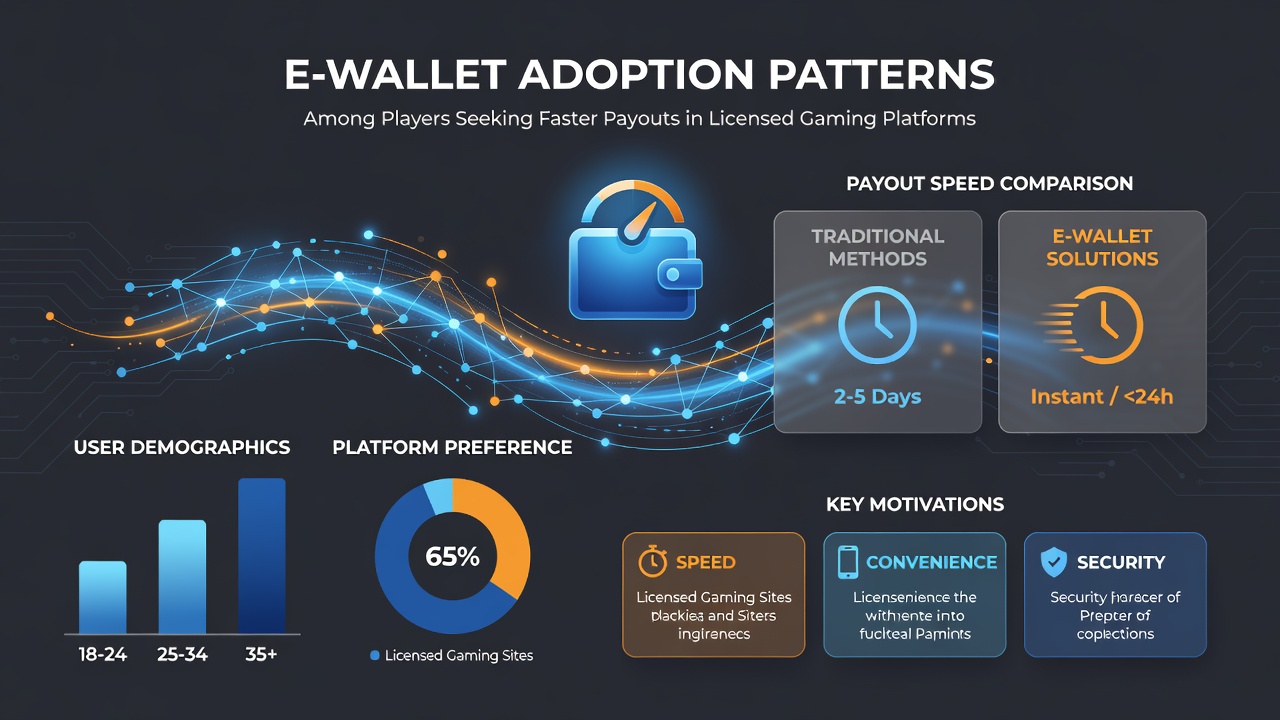
Data from multiple regulatory regions shows that players on licensed gaming sites increasingly select e-wallets when they prioritize quick access to winnings, and this pattern has strengthened through October 2026 as transaction volumes continue to climb. Licensed operators in various jurisdictions report that options such as digital wallets now account for a growing share of withdrawal requests compared with traditional bank transfers or card payments, because these methods reduce processing times from several days down to hours in many cases. Observers note that security features built into major e-wallet services, including two-factor authentication and encryption protocols, further encourage adoption among users who value both speed and protection of personal financial details.
Key Drivers Behind the Shift to E-Wallets
Studies conducted by industry research groups indicate that transaction speed remains the primary factor cited by players when they choose digital wallets over other methods, while ease of use and lower fees in certain regions add to the appeal. According to reports from the American Gaming Association, North American markets have seen measurable increases in e-wallet usage on licensed platforms since 2024, with similar trends appearing in Canadian and Australian regulated environments where operators must comply with strict payout timelines. Players often discover that once an account is verified, subsequent withdrawals complete faster because the wallet already holds the necessary banking linkages, which eliminates repeated verification steps that slow down card or wire transfers.
What's interesting is how demographic patterns align with these choices, as younger players and those who engage frequently with mobile apps show higher rates of e-wallet preference in data compiled across multiple markets. Research from academic institutions tracking consumer behavior reveals that mobile-first users complete more transactions through digital wallets, partly because integration with smartphone payment systems reduces friction during both deposits and withdrawals.
Regional Variations in Adoption Rates
Figures from European trade organizations highlight differences across borders, with some countries showing faster uptake due to earlier regulatory acceptance of digital payment providers, whereas others lag because of additional compliance layers imposed on operators. In Australia, for instance, data collected by government agencies points to steady growth in e-wallet payouts on licensed sites, driven by player demand for same-day processing that aligns with local banking standards. Canadian provincial regulators have documented comparable shifts, where licensed platforms must publish average payout times and players respond by gravitating toward methods that meet or exceed those benchmarks.
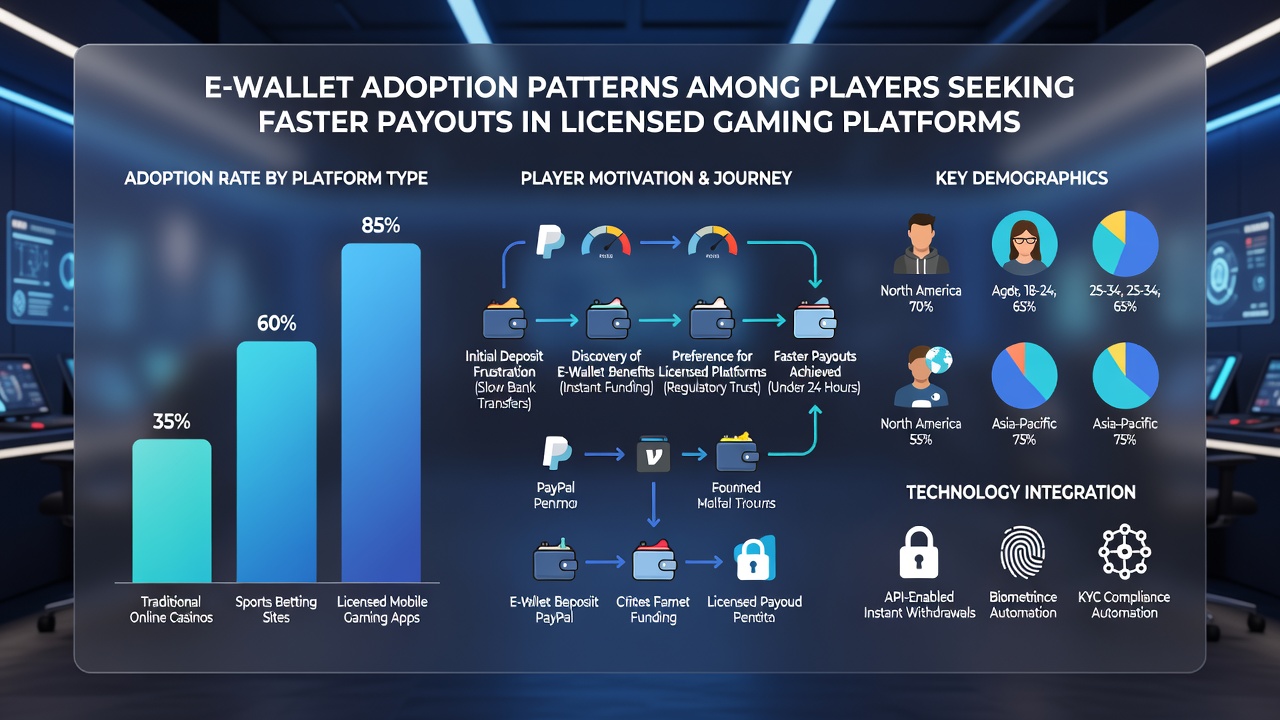
One study revealed that verification requirements, while necessary for regulatory compliance, create temporary delays that affect first-time users more than returning players who already maintain linked accounts. Those who've studied payment flows across platforms note that operators who streamline onboarding for e-wallet users see higher retention rates, because the initial setup pays off in repeated fast transactions.
Impact on Player Behavior and Platform Operations
Evidence suggests that platforms offering multiple e-wallet options experience higher volumes of repeat activity, as players return more often when they know withdrawals will not require extended waiting periods. Industry reports from research institutions in Asia-Pacific regions confirm that this pattern holds across different regulatory frameworks, where licensed entities must balance player convenience against anti-money laundering rules that apply equally to all payment types. And yet the data also shows that not every player switches entirely to digital wallets, since some still prefer bank transfers for larger sums that exceed typical wallet limits imposed by service providers.
Take one analysis from a European gaming association that tracked transaction logs over twelve months and found e-wallet withdrawals averaged under four hours once verification cleared, compared with forty-eight hours or more for conventional methods. This difference influences how players plan their activity, particularly those who treat gaming as a regular pastime rather than occasional entertainment.
Future Outlook Based on Available Data
Projections based on current adoption curves indicate continued expansion of e-wallet usage on licensed platforms through the remainder of 2026 and into 2027, especially as more operators integrate newer digital wallet services that support local currencies and banking networks. Government sources in several jurisdictions continue to monitor these developments to ensure consumer protections keep pace with technological changes, while operators adjust their offerings to meet documented player preferences for speed without compromising security standards.
Conclusion
Available statistics and regulatory filings demonstrate that e-wallet adoption among players seeking faster payouts follows consistent patterns across licensed gaming environments, shaped by factors including transaction speed, verification processes, and regional compliance requirements. As operators and payment providers refine their systems, the data points to sustained growth in this segment, with players continuing to select methods that deliver quicker access to funds while operating within established legal frameworks.