23 Nov 2026
Navigating E-Wallet Routes for Instant Blackjack and Roulette Access on Handheld Devices
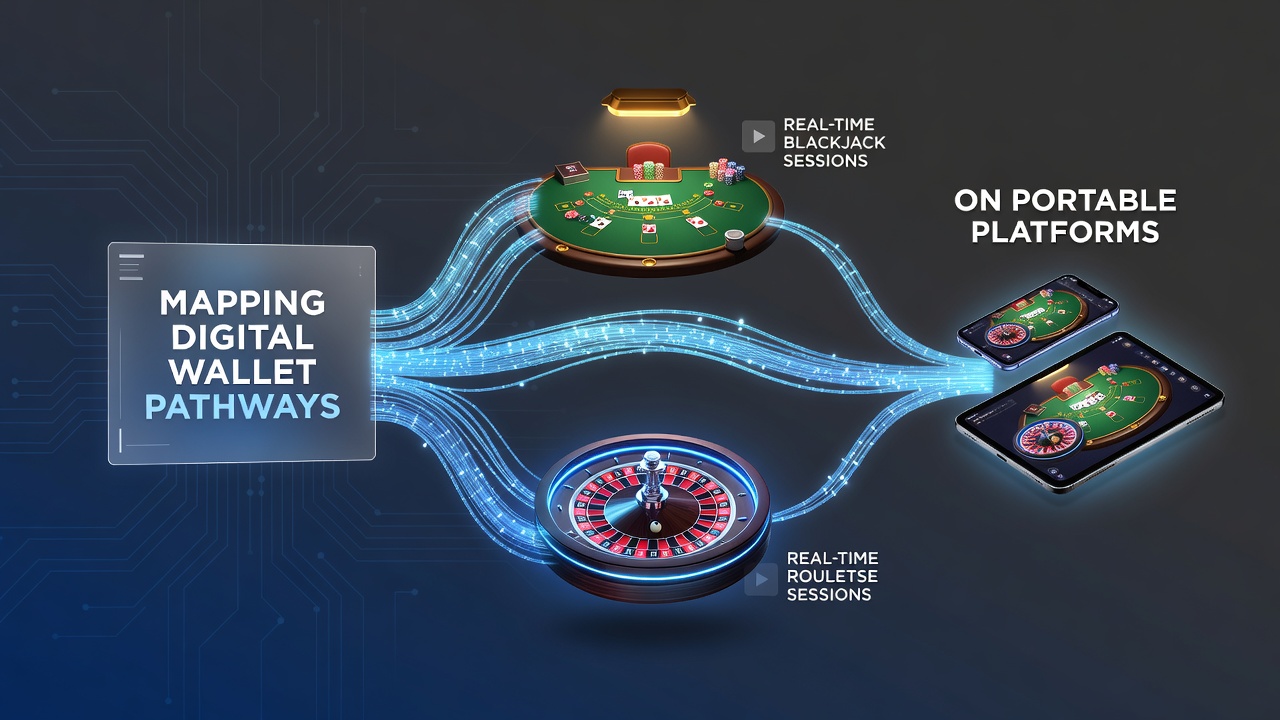
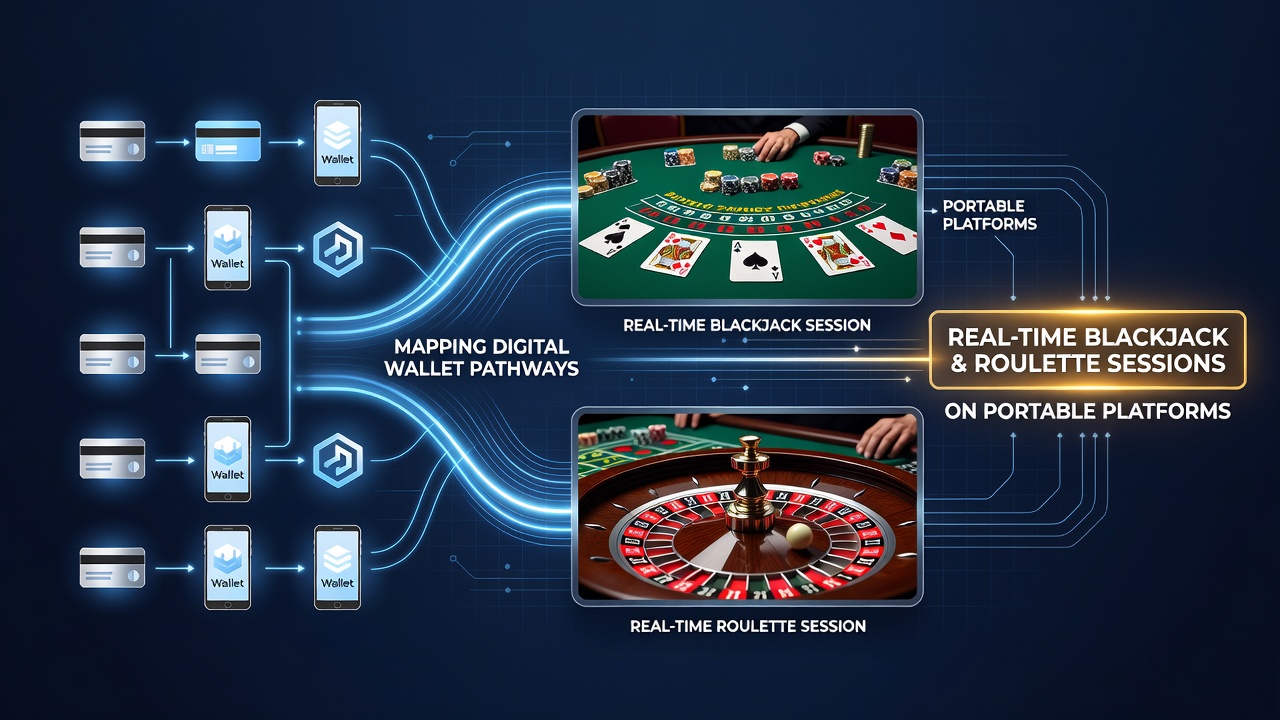
Digital wallet pathways connect directly to real-time blackjack and roulette sessions through portable platforms, where transaction speed determines how quickly players enter and exit live dealer environments; these systems rely on encrypted APIs that link banking credentials to gaming servers in under two seconds on average, according to industry transaction logs from 2025.
Platform Architecture Supporting Instant Transfers
Portable platforms host blackjack and roulette through dedicated mobile applications that maintain persistent connections to wallet providers, allowing deposits to appear in player accounts without page reloads or separate verification steps, while withdrawal requests trigger automated compliance checks that complete within the same session window.
Developers structure these pathways around modular payment gateways that interface with multiple wallet services simultaneously, so a single session can switch between funding sources if network latency affects one provider; this setup reduces session interruptions during peak evening hours when traffic volumes rise sharply.
Real-Time Mechanics in Blackjack and Roulette
Blackjack rounds on mobile devices process wallet-initiated bets through tokenised sequences where each wager amount deducts instantly from the linked balance, then credits winnings back to the same wallet once the hand resolves, creating a closed loop that eliminates manual top-ups mid-session.
Roulette wheels spin on portable screens with live dealer feeds that accept stake adjustments funded by e-wallet top-ups triggered between spins, and data from platform operators shows these micro-transactions account for roughly 38 percent of all in-session funding activity during November 2026 reporting periods.
Security Protocols Across Wallet Integrations
Encryption standards applied to wallet pathways include end-to-end TLS 1.3 channels plus device-level biometric prompts that must match before any funds move, and regulators in multiple jurisdictions require these measures to log every transfer for audit trails that extend up to seven years.
Multi-factor authentication layers sit between the wallet API and the game server, forcing players to confirm identity through app notifications rather than browser redirects, which keeps the focus on the blackjack or roulette interface without breaking immersion.
Geographic Variations in Wallet Adoption
North American operators integrate wallets such as those certified by the Nevada Gaming Control Board, whereas European and Australian platforms favour services approved under local licensing frameworks that emphasise faster settlement times for cross-border play; these differences create distinct user flows depending on the player's registered region.
Research from the University of Nevada Reno Gaming Research Center indicates that wallet-linked sessions in blackjack maintain higher retention rates when withdrawal limits align with deposit caps, reducing friction for players who prefer to move winnings immediately after a winning streak.
Performance Metrics from Live Sessions
Platform analytics reveal that average time from wallet confirmation to first bet placement sits at 1.4 seconds across major providers, and roulette tables show slightly longer intervals because wheel physics and dealer pacing add natural delays between betting windows.
Operators track error rates in these pathways, noting that failed transfers drop below 0.3 percent when networks use redundant routing that automatically reroutes through secondary gateways during congestion events.
Future Pathway Developments
Upcoming updates scheduled for late 2026 include expanded support for blockchain-based wallets that offer on-chain verification without third-party processors, and early tests demonstrate that these reduce settlement windows for roulette payouts from minutes to under thirty seconds.
Industry reports from the European Gaming and Betting Association highlight how portable platforms continue to refine latency compensation algorithms that predict network hiccups and pre-authorise small wallet buffers to keep blackjack decisions flowing uninterrupted.
Conclusion
Mapping digital wallet pathways to real-time blackjack and roulette on portable platforms shows a system built around speed, security layers, and regional compliance that together sustain continuous play across devices, with ongoing refinements expected to tighten transaction loops even further as mobile infrastructure advances.