30 Sep 2026
Independent Verification Processes for Random Number Generators in Digital Entertainment Systems
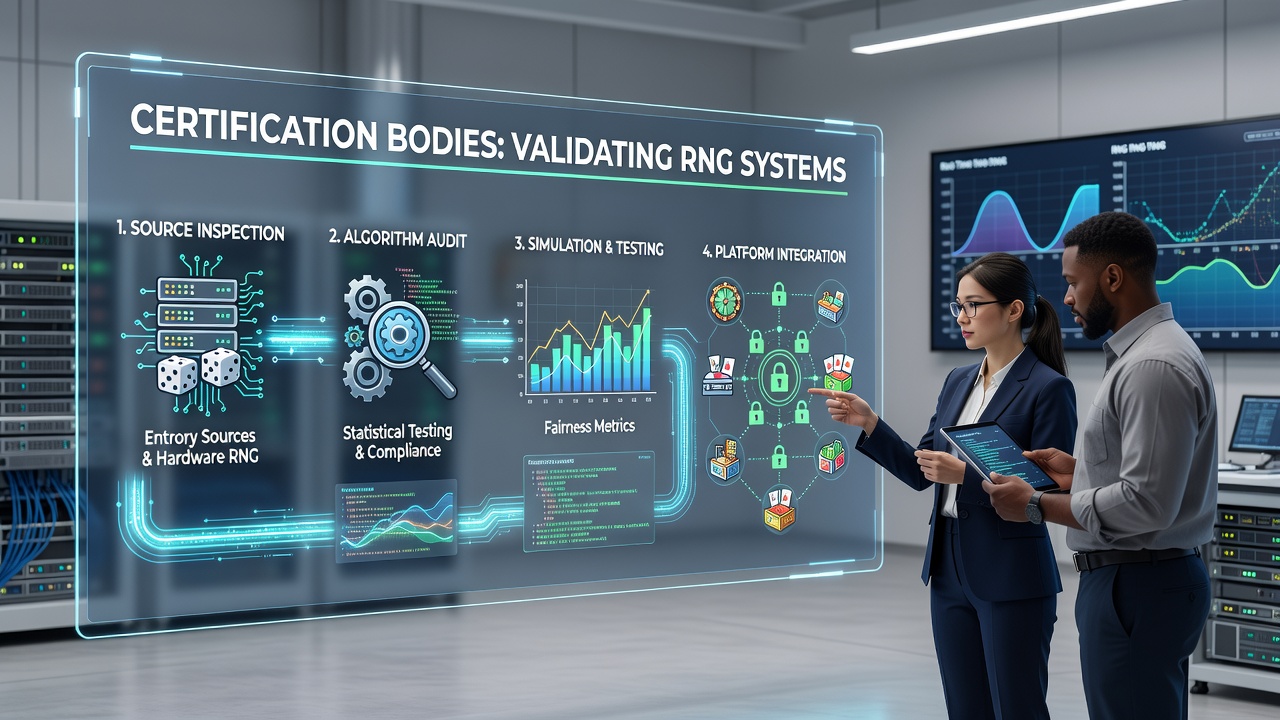
Certification bodies play a central role in confirming that random number generators meet established technical requirements across digital entertainment platforms, and these organizations apply structured evaluation frameworks that combine statistical analysis with source code review to determine compliance. Research indicates that such validation covers both hardware-based and software-based systems, while data from multiple jurisdictions shows consistent application of international standards like those developed by the National Institute of Standards and Technology.
Core Principles Behind RNG Validation
Random number generators must produce outputs that remain unpredictable and uniformly distributed over time, and certification processes begin with an assessment of the underlying entropy sources that feed these systems. Observers note that laboratories examine the hardware components or algorithmic designs first, then move to extensive statistical testing that includes checks for bias, serial correlation, and frequency distribution across large sample sets. Those who conduct these evaluations often reference NIST Special Publication 800-22 as a baseline, which outlines specific test suites used to measure randomness quality in a repeatable manner.
Testing Methodologies Applied During Certification
Initial submissions from platform operators include detailed documentation of the RNG architecture along with raw output samples, and evaluators then run batteries of tests that simulate millions of draws to identify any deviations from expected statistical properties. What's interesting is how these procedures incorporate both automated analysis tools and manual code audits, while additional scrutiny focuses on seed generation methods and reseeding intervals to prevent predictability under operational conditions. Studies from technical institutes reveal that failed tests trigger iterative fixes before any approval is granted, and the entire sequence can span several weeks depending on system complexity.
One case documented in industry reports involved a platform that adjusted its entropy harvesting routine after initial evaluations flagged insufficient randomness in low-entropy environments, and subsequent retesting confirmed the modifications restored compliance with required thresholds.
Regional Approaches and International Standards
Different regulatory environments adopt variations on the same foundational methods, yet most require third-party verification before any system goes live. In North America, for instance, state gaming control boards often mandate certification through accredited labs that follow GLI-19 or similar technical standards, whereas European frameworks emphasize alignment with EN 13602 for certain hardware components. Data shows that these regional differences still converge on core statistical requirements, and cross-border operators frequently seek multiple certifications to satisfy overlapping jurisdictions. A report from the Canadian Institute for Gaming Research highlighted how ongoing audits in Ontario incorporate real-time monitoring feeds that feed back into annual recertification cycles.
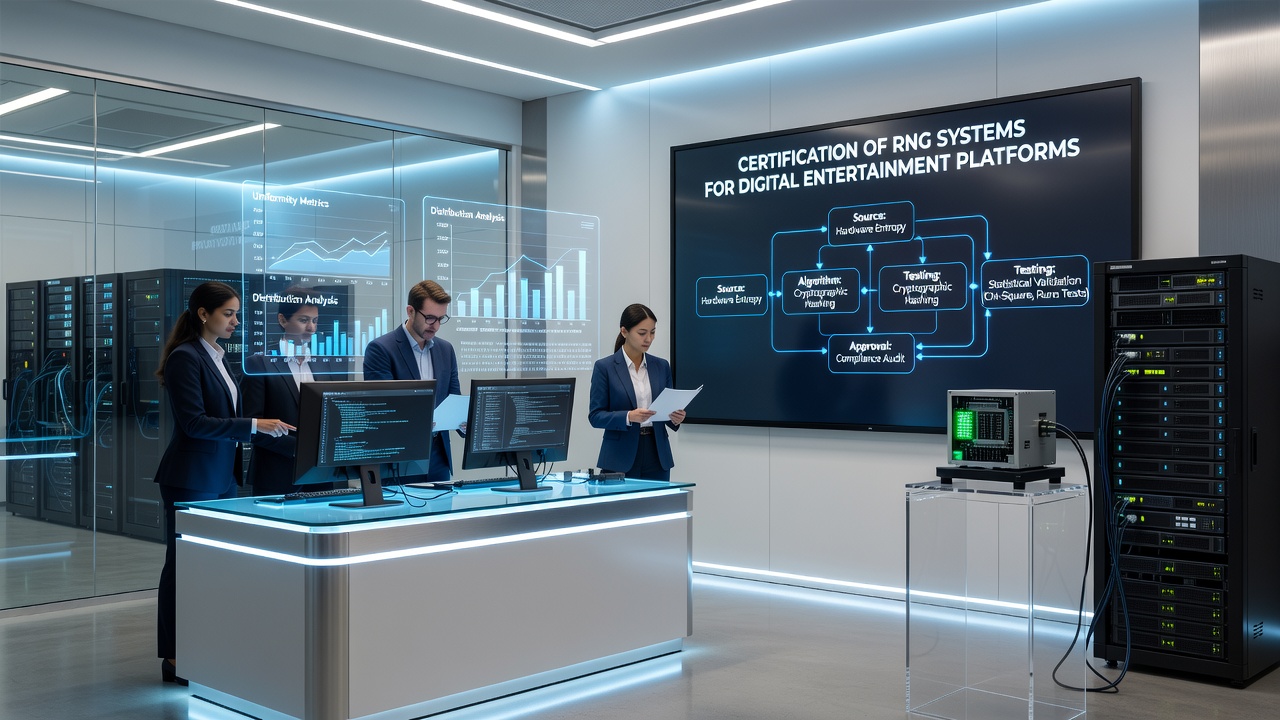
September 2026 updates to certain Australian technical guidelines introduced expanded requirements for continuous entropy monitoring in cloud-based deployments, and operators there now submit quarterly performance summaries to maintain active certification status. Such changes reflect broader trends toward dynamic validation rather than one-time approvals.
Ongoing Monitoring and Recertification Cycles
Certification does not end with initial approval, since most bodies require periodic re-evaluation that includes fresh statistical sampling and reviews of any software updates or hardware changes. Platforms must maintain audit logs that capture RNG performance metrics, and these records become subject to spot inspections throughout the certification period. Research indicates that deviations detected during these checks can result in temporary suspension until corrective actions are verified, and the process ensures that system integrity holds under evolving operational loads.
Challenges in Scaling Validation Across Platforms
Cloud-hosted and mobile implementations introduce additional variables such as network latency and device-specific entropy sources, and certification bodies address these through tailored test environments that replicate live conditions. Those who've examined large-scale deployments note that containerized RNG modules require separate validation of orchestration layers to confirm isolation between instances. Evidence from technical papers suggests that virtualization can sometimes mask subtle timing issues, prompting evaluators to apply extended test durations in these scenarios.
Conclusion
Certification bodies maintain consistent protocols that combine statistical rigor with architectural review to validate random number systems, and these efforts span initial approval through continuous oversight across multiple regions. Data from regulatory filings and laboratory summaries continues to guide refinements in testing practices, while international standards provide common reference points that support cross-jurisdictional consistency. Observers note that the structured approach helps sustain the technical foundation required for fair operation in digital entertainment environments.